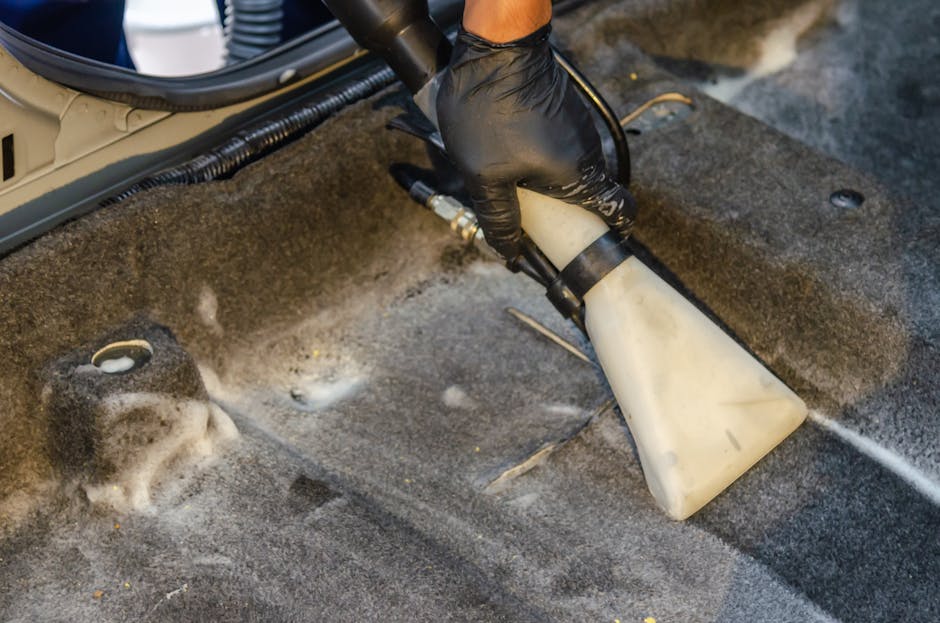
The Glades upholstery cleaning guide for Bromley shoppers
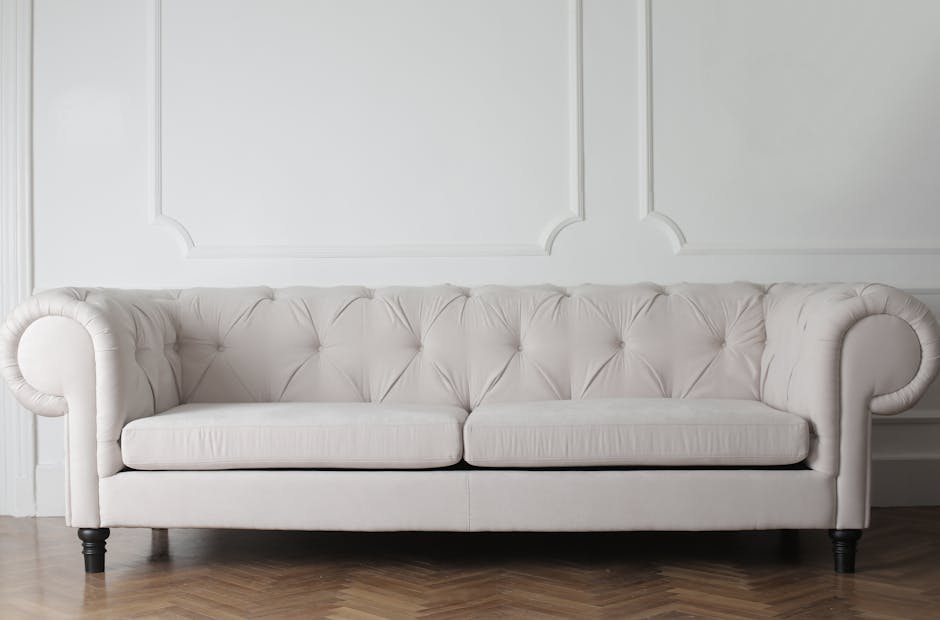
If you have ever looked at a favourite sofa, dining chair, or armchair and thought, "It was never this dull when I bought it," you are in the right place. This The Glades upholstery cleaning guide for Bromley shoppers is for people who want their furniture to look cleaner, smell fresher, and last longer without making an expensive mistake. Upholstery cleaning sounds simple enough, but the truth is that fabric type, stain age, drying time, and the wrong cleaning method can all change the result fast.
Whether you are dealing with everyday grime, pet odours, spilled tea, or just that tired look that creeps in over time, a sensible approach matters. Below you will find a practical, Bromley-friendly guide to how upholstery cleaning works, what to expect, what to avoid, and how to choose the right service for your home or rental. Let's get into it.
Why upholstery cleaning matters for Bromley shoppers
Upholstery gets far more use than most people realise. You sit on it after work, the kids climb over it, guests drop by with coats and snacks, and sometimes the dog decides it is basically his throne. Over time, all that everyday use leaves behind body oils, dust, crumbs, sweat, and the occasional spill. The fabric may still look "fine" at first glance, but it can slowly lose colour, softness, and freshness.
For Bromley shoppers, this matters for a few very practical reasons. First, furniture is not cheap. A decent sofa or set of dining chairs can last years longer with proper care. Second, upholstery cleaning can make a room feel brighter without replacing anything. That is especially useful if you are prepping a home for sale, moving in, or trying to make an existing space feel less tired.
There is also the health and comfort side. Dust and trapped debris in fabric can make a room feel stuffy, and odours become more noticeable in closed-up spaces. If you have pets, allergies, or young children, keeping furniture clean is less of a luxury and more of a sensible routine. Not glamorous, admittedly. But useful? Absolutely.
If you want a broader sense of professional care options for soft furnishings, the upholstery cleaning service page is a helpful starting point, and related fabric care such as sofa cleaning or stain removal may also be relevant depending on what you are dealing with.
How upholstery cleaning works
At a practical level, upholstery cleaning is about lifting embedded dirt and treating stains without damaging the fabric or the foam underneath. A proper clean usually starts with identifying the material. That sounds basic, but it is the part that prevents most mistakes. Cotton, polyester, velvet, wool blends, linen, and synthetic fibres all react differently to moisture, heat, and cleaning agents.
Professional cleaners typically begin with inspection and testing. They check the fabric label, spot-test a small hidden area, and look for things like loose seams, colour transfer, existing wear, and heavily soiled patches. Then they choose a cleaning method. Depending on the fabric and condition, that may involve low-moisture cleaning, hot water extraction, specialist stain treatment, or a careful dry-clean style process.
One thing many homeowners underestimate is the role of drying. Cleaned upholstery should not be left damp for long, especially in cooler rooms or places with poor ventilation. If moisture lingers, you can end up with musty smells or uneven drying marks. That is why airflow, temperature, and sensible aftercare matter just as much as the cleaning itself. A good result is not only about making fabric look cleaner for ten minutes; it is about making it dry properly and stay fresh.
If the job involves heavy grime, a whole-room reset, or fabric that has not been cleaned for a while, some customers combine upholstery care with a broader deep clean. In those cases, deep cleaning can make sense as part of the overall plan.
Key benefits and practical advantages
There are a few reasons people book upholstery cleaning, and they are not all cosmetic. Of course, it is satisfying to see a sofa come back to life. But the real value usually goes a bit deeper.
- Improved appearance: Fabrics often regain colour clarity, which makes rooms feel less dull.
- Odour reduction: Everyday smells from pets, smoke, food, or general use can be reduced.
- Better hygiene: Dust, surface debris, and built-up residue are removed from fibres.
- Longer furniture life: Regular care helps prevent grime from becoming embedded and abrasive.
- Better impression for guests or tenants: Fresh upholstery makes a home feel cared for, not just cleaned-on-the-surface.
There is also a small but real emotional benefit. You may notice that once a sofa is refreshed, the whole room feels calmer. It is funny how one piece of furniture can drag a whole space down. Then you clean it, and suddenly the room breathes again. Strange, but true.
For households balancing budgets, this can be a smarter move than replacement. A sofa that is structurally sound but visually tired may respond well to proper cleaning. In some cases, a targeted stain treatment can be enough to make it genuinely presentable again. That is why guidance like this matters for shoppers weighing cost against convenience.
Who this is for and when it makes sense
This guide is useful if you are in any of the following situations:
- You have a sofa, armchair, or footstool that looks dull or slightly patchy.
- You are moving into a new place and want the furniture to feel properly fresh.
- You are moving out and want the property to look well cared for.
- You run a holiday let, rental, or shared property where fabrics see frequent use.
- You have pets and need help with hair, odour, or accident-related marks.
- You have children and the furniture has taken a few knocks. As happens.
- You have tried a shop-bought product and now the stain looks worse or larger.
It also makes sense when you are deciding between do-it-yourself cleaning and hiring a professional. If the stain is fresh and the fabric is clearly washable, a careful home approach may be enough. But if the item is expensive, delicate, or already showing signs of wear, professional cleaning is usually the safer route.
For landlords, letting agents, hosts, and busy households, timing matters too. A one-off refresh can work well before viewings, after guests leave, or after a long winter when rooms have had less ventilation. And if upholstery cleaning is part of a bigger reset, services like one-off cleaning or regular cleaning may help keep the whole property easier to manage.
Step-by-step guidance
Here is a simple, sensible way to think about upholstery cleaning before you book anything or try it yourself.
- Identify the fabric. Look for labels and note whether the item is natural fibre, synthetic, blended, or delicate. If you are unsure, stop and check rather than guessing.
- Inspect the problem areas. Is it general dullness, a specific stain, pet odour, or grease? Different problems need different treatment.
- Vacuum first. Loose dust, crumbs, and hair should come off before any moisture touches the fabric.
- Test a hidden patch. This is a small step, but it can save you from colour bleed or water marks.
- Choose the right method. Mild cleaning, low-moisture treatment, or deeper extraction may be appropriate depending on the fabric.
- Treat stains carefully. Blot, do not scrub. Scrubbing often drives the stain deeper and roughs up the fabric pile.
- Allow proper drying. Open windows if the weather allows, keep air moving, and avoid sitting on it too soon.
- Check the result after drying. Some marks only become visible once the fabric is completely dry, so give it a final look later in the day.
A tiny bit of patience goes a long way here. Truth be told, many upholstery disasters happen because someone was in a hurry.
Expert tips for better results
The best upholstery cleaning outcomes usually come from doing less, but doing it carefully. That sounds oddly simple, yet it is where people go wrong all the time.
1. Work from the edge of a stain inward
This helps stop the mark from spreading. If you start in the middle and push outward, you can end up with a bigger, faint ring. Nobody wants the "I made it somehow wider" result.
2. Never soak the filling
Surface fabric may look dry while the padding underneath remains damp. That trapped moisture can cause odour or slow drying. Good cleaning is controlled cleaning.
3. Treat pet and food smells differently
Pet odours often sit deeper than surface stains, especially if the accident happened a while ago. Food spills may be more visible but easier to lift. If odour is the main issue, a specialist approach is usually better than a generic fabric spray.
4. Be wary of coloured cloths and patterned fabrics
Some fabrics can bleed if they are over-wet or aggressively treated. A careful test spot matters more here than on plain synthetic material.
5. Think about airflow before the cleaning starts
If the room is small or stuffy, put the plan in place first. Open a window, clear a path for drying, and avoid scheduling the clean just before guests arrive. It sounds obvious, but people do this and then wonder why the armchair still feels damp at 8pm.
If you are comparing services, look for clear explanations rather than vague promises. The best providers are usually comfortable explaining fabric suitability, stain risks, and what results are realistic. If you are checking broader business standards too, pages such as insurance and safety and health and safety policy help show what responsible service delivery should look like.
Common mistakes to avoid
A lot of upholstery damage is accidental and avoidable. The biggest problems are usually not dramatic at first; they start small and only become obvious later.
- Using too much water: More water does not mean better cleaning. It often means longer drying and more risk.
- Rubbing stains hard: This can distort the fibres and spread the mark.
- Using random household chemicals: Bleach, strong detergents, and untested sprays can damage fabric.
- Skipping the label: The care instructions exist for a reason, even if they are annoyingly small.
- Cleaning without testing: A tiny patch test can save a big headache.
- Sitting on the item too soon: Premature use can flatten damp fibres and trap moisture.
Another common mistake is assuming all upholstery should be treated the same way. It really should not. A velvet chair and a synthetic family sofa need different handling, and sometimes different expectations. That distinction alone saves a lot of disappointment.
Tools, resources and recommendations
You do not need a warehouse full of equipment to keep upholstery in decent condition. In many homes, a few sensible tools are enough for basic upkeep.
- Upholstery attachment vacuum: Great for weekly dust and crumb removal.
- Soft brush: Useful for lifting surface lint without roughing up fibres.
- Microfibre cloths: Handy for blotting spills gently.
- Clean white towels: Better than coloured cloths, which may transfer dye.
- Fabric-safe stain treatment: Only use products suitable for the specific fabric type.
- Good ventilation: Open windows and steady airflow often help more than people expect.
For shoppers who want a more complete refresh, it can make sense to think in layers. Upholstery may need attention alongside carpets, rugs, or curtains, especially in living rooms where dust and everyday particles travel together. If that is your situation, related services like carpet cleaning, rug cleaning, and curtain cleaning may be worth considering as part of the same visit.
If pet-related odours are the main issue, the more specific pet stain odour removal option is especially relevant. That kind of problem often needs focused treatment rather than a general surface clean.
Law, compliance, standards and best practice
Upholstery cleaning is not the sort of service where readers usually want a pile of legal detail, and fair enough. Still, a few standards and duties matter in practice. In the UK, responsible cleaning work should be carried out with attention to health and safety, suitable equipment, and sensible handling of chemicals and waste water. If a company is coming into your home, you also want reassurance that the work is insured and that any risk is properly managed.
For customers, the practical takeaway is simple: ask whether the cleaner knows how to deal with delicate fabrics, stain risks, and drying times. Ask whether their approach matches the item's care label and whether they will avoid over-wetting. A good company should be able to explain what they will do, what they will not do, and what might affect the final result.
It is also sensible to check customer-facing policies around payment, privacy, and complaints handling. These are not exciting pages, granted, but they do tell you something about how the business is run. If you want to review those basics, you can look at payment and security, privacy policy, terms and conditions, and complaints procedure.
On the environmental side, it is reasonable to look for a company that takes waste handling and product choice seriously. A thoughtful recycling and sustainability approach can be a good sign, even if it is only one part of the bigger picture.
Options, methods, and comparison table
Different upholstery cleaning methods suit different materials and levels of soiling. There is no one-size-fits-all answer, which is part of why a short assessment matters before any cleaning starts.
| Method | Best for | Strengths | Watch-outs |
|---|---|---|---|
| Vacuum and spot clean | Light dust, crumbs, small fresh spills | Quick, low risk, cheap to maintain | Won't remove deep soiling or odours |
| Low-moisture upholstery cleaning | Delicate or moisture-sensitive fabrics | Reduced drying time, gentler on fabric | May be less effective on heavy staining |
| Hot water extraction | Hard-wearing fabrics with embedded dirt | Deep clean, strong soil removal | Can over-wet unsuitable materials if used carelessly |
| Targeted stain treatment | Single marks, grease, food spills, pet accidents | Focused, efficient, often less disruptive | Success depends on stain age and fabric type |
If you are comparing a few service options, ask which method they plan to use and why. That answer tells you a lot. It is better than hearing "we just clean everything the same way" because, honestly, that should ring alarm bells.
For customers building a wider home-care plan, there may be value in pairing upholstery work with steam carpet cleaning or domestic cleaning. That can make the whole property feel more cohesive, especially if you are preparing for visitors or a move.
Case study or real-world example
Here is a realistic scenario from the sort of work many Bromley households face. A family has a three-seater fabric sofa in the living room. It gets daily use, especially in the evenings, and over time the arms begin to look darker than the rest of the sofa. There is also a faint smell that becomes noticeable when the room is warm. Nothing dramatic, just enough to make the room feel less fresh than it should.
They first try a spray from under the sink. It brightens one patch, but leaves a larger, slightly damp ring. Classic. After that, they stop and assess properly instead of making it worse. The cleaner inspects the fabric, confirms it needs controlled low-moisture treatment rather than a soak, and works the marks in stages. The sofa dries gradually with windows open and the room aired out.
The practical difference is not only that the sofa looks better. It feels better in the room. The dark arm patches are lighter, the odour is reduced, and the family no longer avoids that side of the sofa. It is a small domestic improvement, but those are the ones people notice every single day.
That kind of result is often what shoppers are really looking for: not perfection, not a showroom finish, just a clean, decent, comfortable space again.
Practical checklist
Before you book or attempt upholstery cleaning, run through this checklist. It keeps things simple.
- Check the care label and note the fabric type.
- Identify whether you are dealing with dust, a stain, or an odour issue.
- Vacuum the item thoroughly before any liquid cleaning.
- Test any product on a hidden area first.
- Use blotting rather than scrubbing.
- Make sure the room has ventilation for drying.
- Keep children and pets off the item until it is fully dry.
- Ask what method will be used if hiring a professional.
- Confirm any insurance, safety, or service details that matter to you.
- Decide whether other items in the room need attention too.
If you like having everything in one go, this is often the point where people realise a broader clean would be easier than tackling each item separately. Not always, but often enough.
Conclusion
The smartest approach to upholstery cleaning is the one that respects the fabric, the stain, and the drying time. For Bromley shoppers, that usually means choosing care over guesswork. A sofa or chair can look dramatically better when it is cleaned properly, and the room around it often feels more welcoming too.
Whether you are handling a fresh spill, refreshing a rental property, or simply giving a favourite chair another chance, the basics are the same: know the fabric, treat the problem carefully, and avoid over-wetting. If you are not sure, it is better to pause and ask than to push ahead and regret it later. That little bit of caution tends to pay off.
If you are comparing your options, the most reassuring businesses are usually the ones that explain their methods clearly, respect your home, and manage the job properly from start to finish. Small thing, but it matters.
Get a free quote today and see how much you can save.
Frequently Asked Questions
How often should upholstery be cleaned?
For most homes, a light professional clean every 12 to 24 months is common, though high-use sofas, homes with pets, or family living rooms may need attention sooner. Regular vacuuming in between helps a lot.
Can all upholstery fabrics be steam cleaned?
No. Some fabrics tolerate steam or hot water extraction well, but delicate or moisture-sensitive materials may need a gentler method. Always check the care label and test a hidden patch first.
What is the best way to remove a fresh stain from a sofa?
Blot the spill gently with a clean cloth and avoid rubbing. Rubbing can spread the stain and damage the fibres. After that, use a fabric-safe treatment only if it suits the material.
Why does my sofa smell worse after I try to clean it?
This often happens when too much water was used or the fabric dried slowly. Moisture trapped in the filling can create a musty smell. Better airflow and a more controlled method usually help prevent this.
Is upholstery cleaning worth it for older furniture?
Often, yes, if the frame and padding are still in good condition. Older furniture can respond very well to cleaning, especially if the issue is dirt, dullness, or surface odour rather than structural wear.
Can professional upholstery cleaning remove pet odours?
It can reduce them significantly, but results depend on how deep the odour has penetrated and how long it has been there. Pet accidents often need more targeted treatment than standard cleaning.
How long does upholstery take to dry?
Drying time depends on the fabric, the cleaning method, room temperature, and ventilation. Some items dry relatively quickly, while others need several hours or longer. Good airflow makes a noticeable difference.
Should I clean upholstery myself or hire a professional?
If the fabric is delicate, the stain is old, or the item is valuable, professional help is usually the safer option. For a fresh, minor spill on a suitable fabric, a careful DIY approach may be enough.
Will upholstery cleaning remove every stain?
Not always. Some stains set into fibres or alter the dye, which means they can fade rather than disappear completely. A responsible cleaner should tell you what is realistic before starting.
Do I need to move furniture before a cleaning visit?
Usually, you will need to clear access to the item and remove loose objects such as cushions, throws, or small items. The cleaner can often advise you in advance about what to move and what to leave in place.
How do I know if a company is trustworthy?
Look for clear service explanations, sensible safety information, transparent terms, and a straightforward way to ask questions. A company that explains fabric limitations honestly is usually a good sign.
Can upholstery cleaning help if my whole room feels stale?
Yes, especially when fabrics are holding dust or odours. Upholstery is often part of the problem, but you may also want to look at carpets, rugs, and curtains if the whole room needs refreshing.